

HAZID Study
Identify major hazards early through a structured multidisciplinary review.
We help industrial organisations understand major accident hazards and connect structured technical studies with clear decisions and practical improvement priorities.
Discuss your requirements01Identify hazards and operating deviations through structured, multidisciplinary studies.
Identify major hazards early through a structured multidisciplinary review.

Examine process deviations node by node to identify causes, consequences and safeguards.
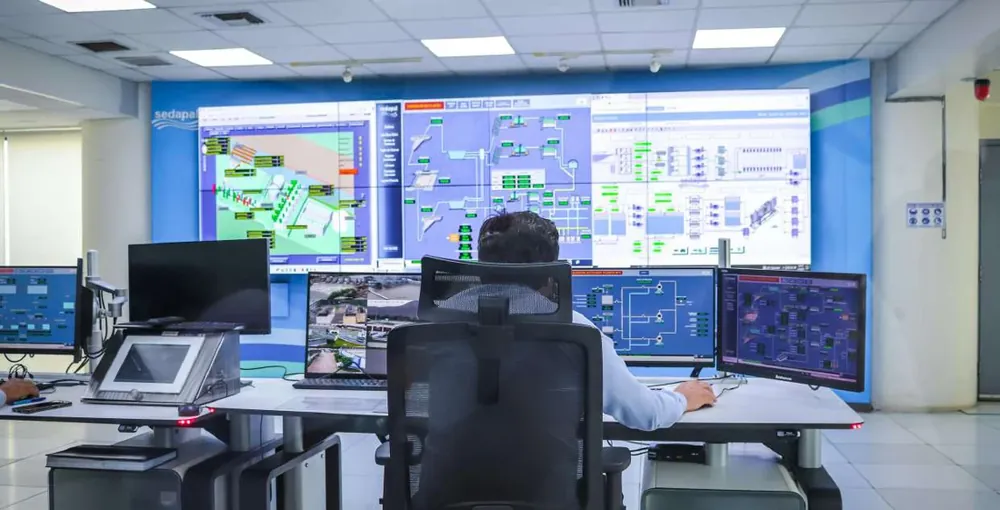
Examine control, safety and alarm-system failures and their operational consequences.
 02
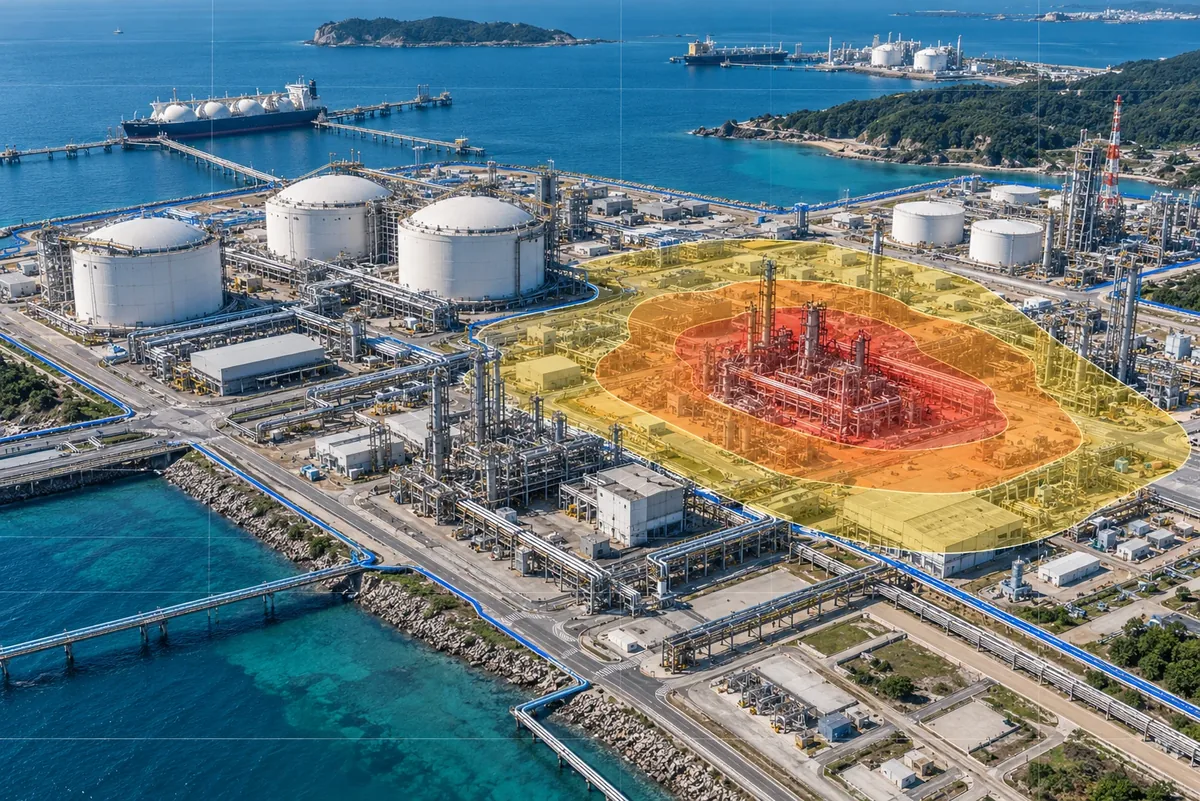
Assess major accident scenarios, their potential impacts and the options for risk reduction.
Quantify major accident risk to inform siting, safeguards and risk-reduction decisions.
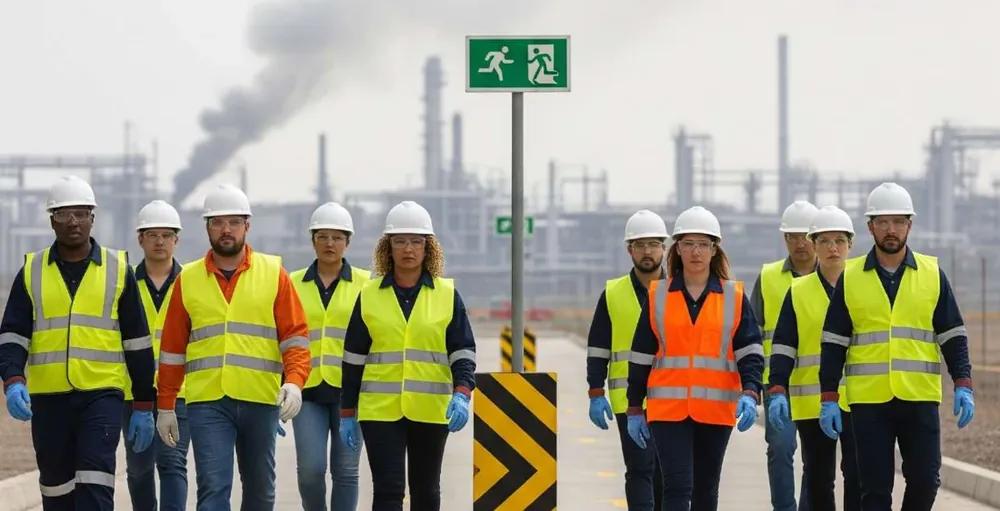
Assess escape routes, evacuation arrangements and rescue provisions under emergency scenarios.
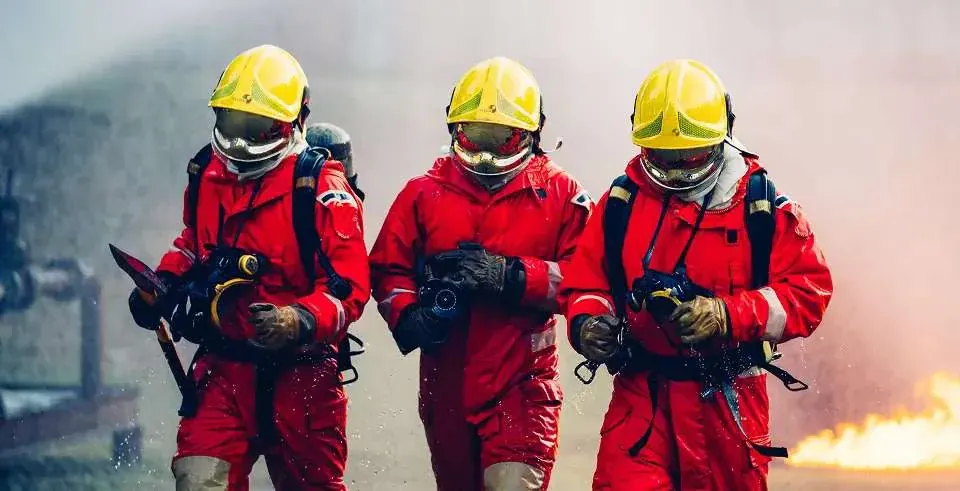
Assess whether critical emergency systems remain available during major accident conditions.
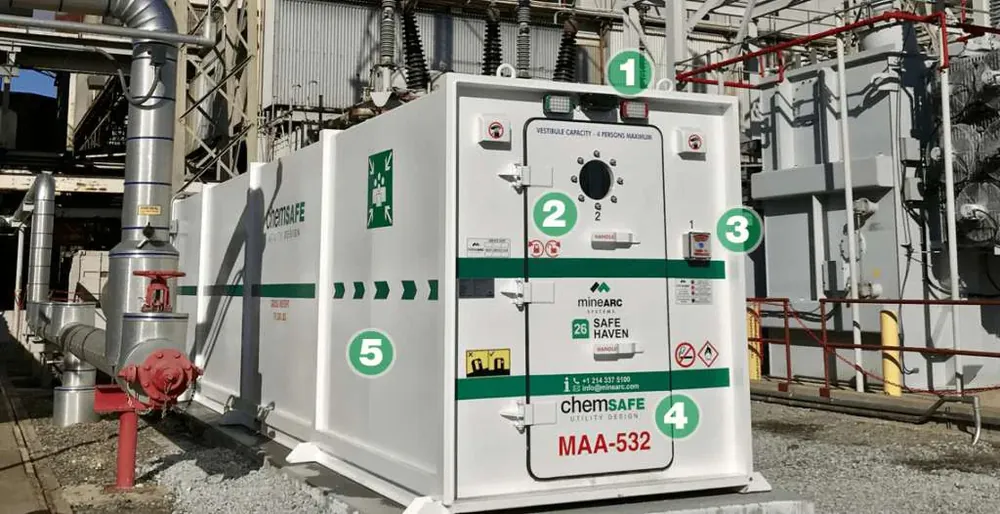
Assess temporary refuge protection against smoke, gas, heat and blast effects.

Assess toxic and other hazardous chemical release scenarios and control requirements.

Assess vessel-collision frequency, consequences and mitigation needs for marine assets.

Compare risk-control options and support documented risk-reduction decisions.
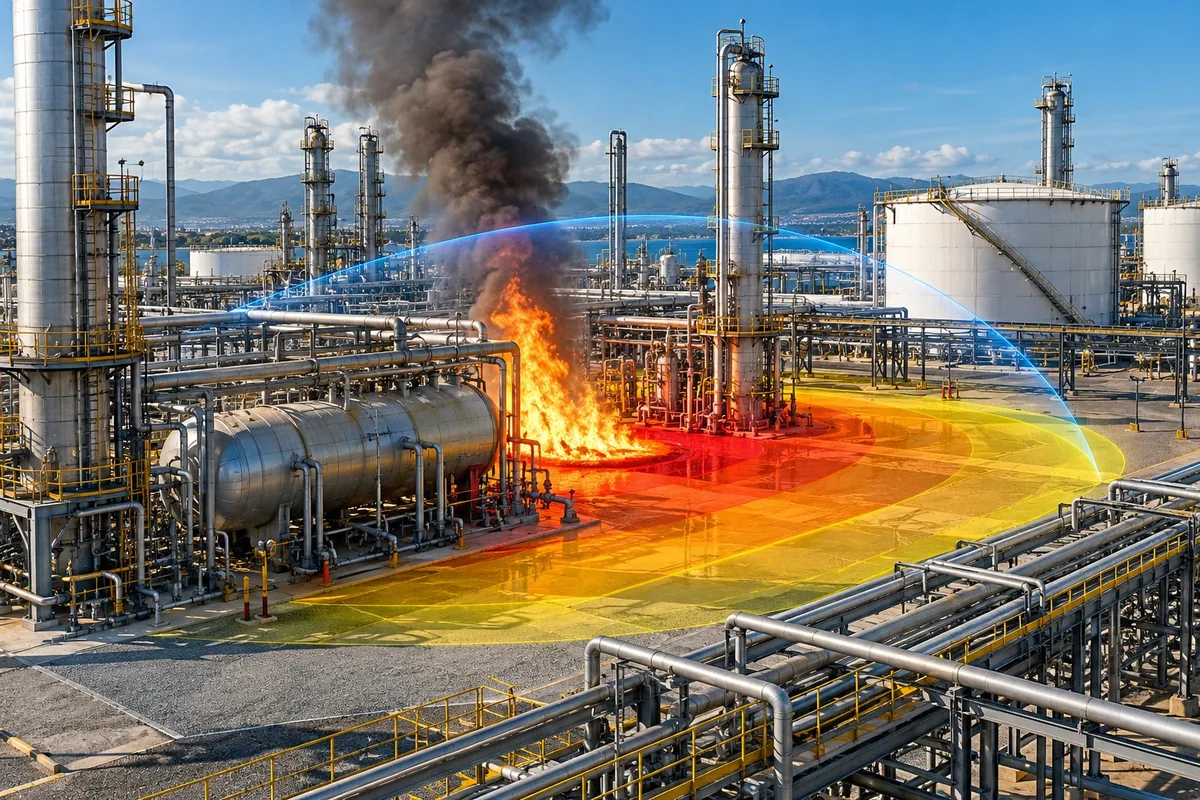
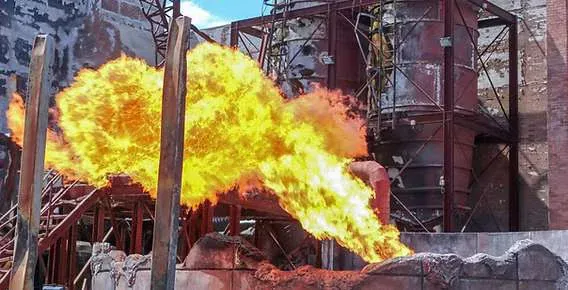
Model credible fires and explosions to inform protection and layout decisions.
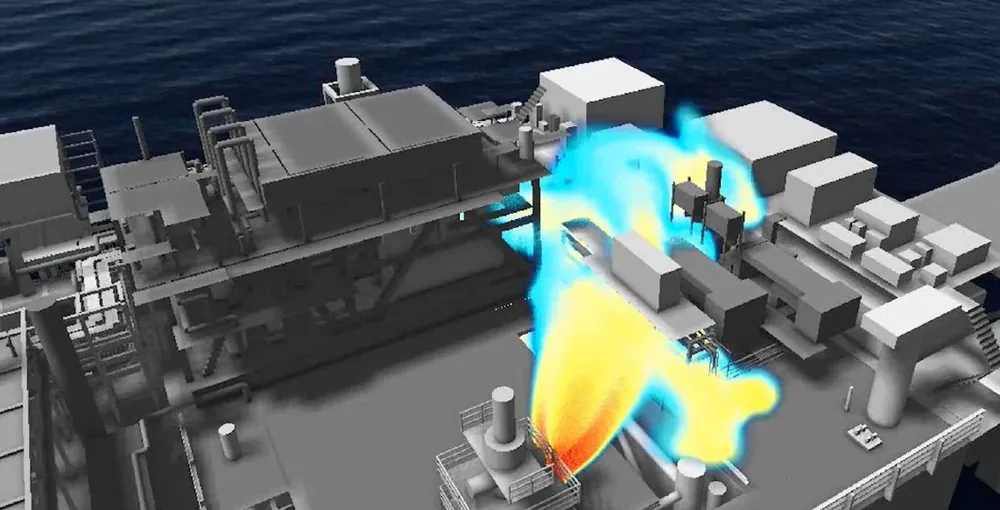
Model releases, dispersion, ventilation and explosions for complex facility scenarios.

Assess the exposure of occupied buildings to fire, explosion and toxic-release scenarios.
 03
Assess explosive atmospheres, combustible dust and oxygen-deficiency hazards.
Classify flammable gas, vapour and dust areas to support equipment selection.

Review area classification, equipment suitability and Ex inspection arrangements.
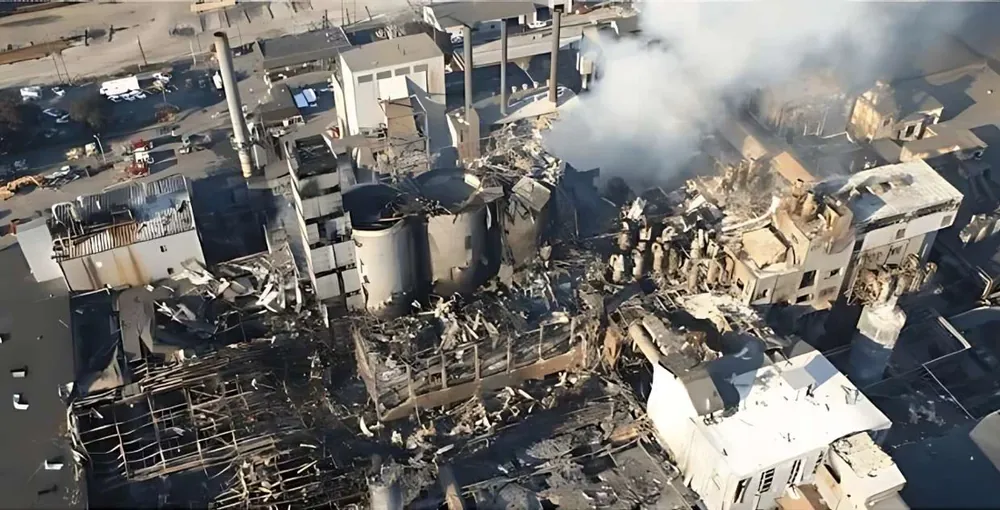
Assess combustible-dust hazards and define protection and operating requirements.
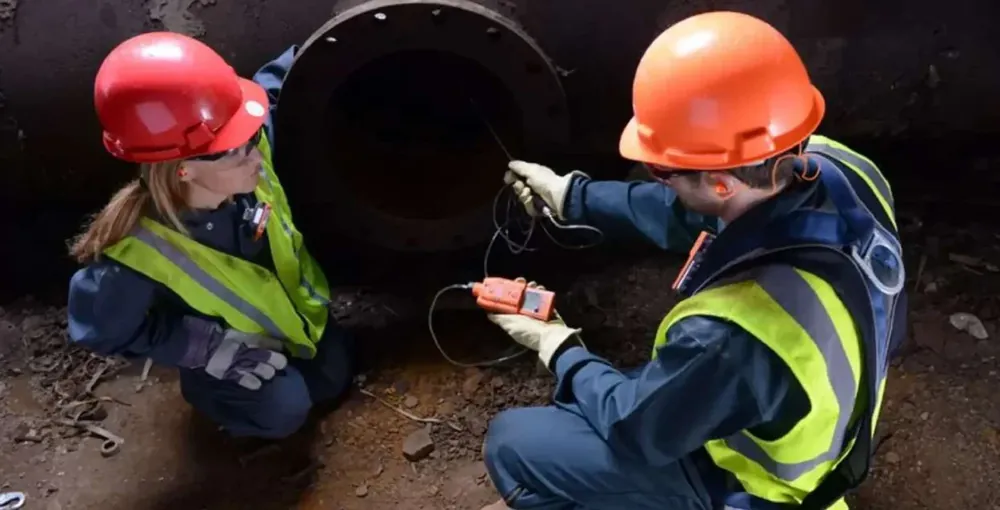
Assess oxygen-displacement hazards and the adequacy of ventilation and detection.
 04
Define protection-layer requirements and the required integrity of safety instrumented functions.
Assess independent protection layers and identify additional risk-reduction requirements.

Define the required safety integrity of instrumented functions using assessed risk reduction.

Use a calibrated risk graph to assess the required integrity of safety instrumented functions.
 05
Connect major accident hazards with barriers, safety cases and verifiable performance standards.
Visualise threats, consequences and barriers for major accident scenarios.

Develop a documented case linking major hazards, barriers and risk-reduction justification.

Identify critical barriers and define their required functionality and performance.
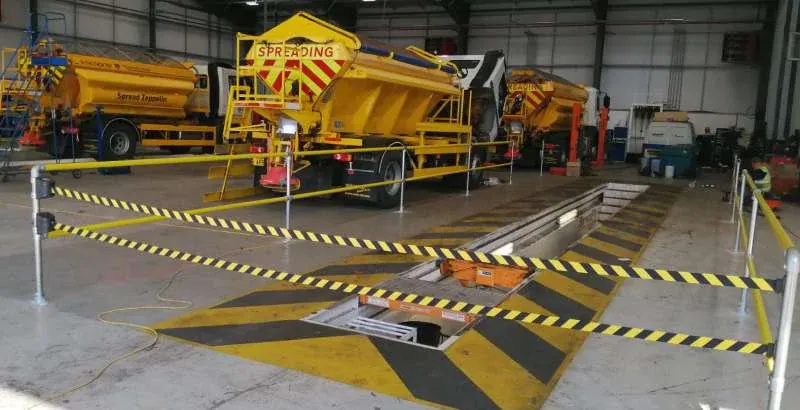
Verify the condition of physical barriers against drawings and safety requirements.
Keep safety-case commitments aligned with modifications, procedures and operational learning.

Develop the design-stage argument for managing major accident hazards.

Update the safety argument using operating information and verified critical-element requirements.

Translate HSE case requirements into job roles, maintenance activities and front-line assurance.

Independently audit the implementation of HSE case commitments and critical barriers.
 06
Establish process safety arrangements and review the controls needed for change and startup.
Review equipment, procedures, training and outstanding actions before startup.

Assess process safety arrangements against a defined element-based framework.

Develop a structured process for assessing and approving engineering and operating changes.

Develop, implement and verify a process safety management framework.
Identify hazards, assess risk and evaluate the safeguards needed to support safer operations.
Tell us about your project, operational challenge or workforce development need.
Discuss your requirements